The joy of general assignment lost on next generation
Journal: The Sick Days, Part 19
The Death Knock is among one of the most unpleasant tasks in any newsroom, but the uncomfortable face-to-face with a grief-stricken relative has now been replaced by social media trolling and scalping Tweets
By Shelley Page
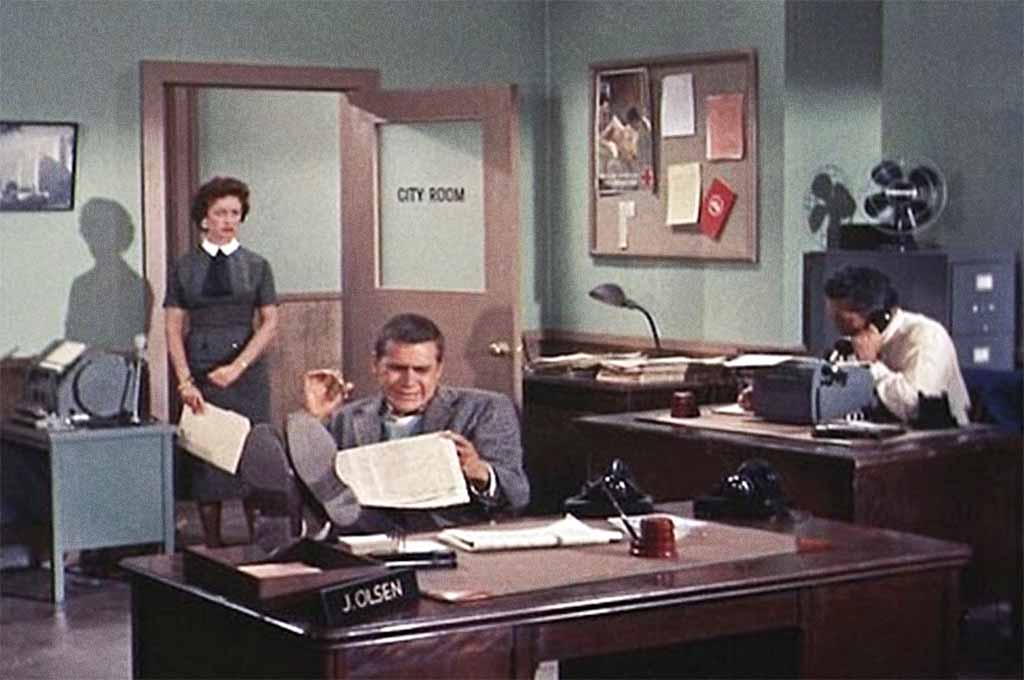
It’s called a “pick up” or a “death knock,” and it’s among the most unpleasant tasks a general assignment reporter on the city desk can draw. The most experienced of our breed can get a grieving mother to unchain her door, make a pot of tea, and unspool woeful stories of her lost love, usually urged on by an invitation to “set the record straight” about son Jimmy the Bank Robber or make sure Little Emily the Heroin Addict isn’t misremembered. The most tenacious of us leave the widow’s home with an entire photo album under our arm so there are no pictures left for media outlets late to the tea party. This is another one of those tasks that journalism school can’t prepare you for. So many years ago, ...
When reporters and politicians rub elbows
Tribute: Bill Bennett
A labour reporter looks back on an oddball friendship with a right-wing leader, and the good old days when labour reporters still existed
By Rod Mickleburgh
VANCOUVER -- For some reason, Bill Bennett seemed to like me. In the few times we encountered each other, we got along. Goodness knows why, since, as a labour reporter, I had little time for the wealth of anti-labour legislation that came down the legislative pipe during Bennett’s 11 years as premier of British Columbia, topped by his outlandish, 26-bill “restraint” package in 1983. It went far beyond “austerity”. One of the bills gave his government the right to fire public sector workers without cause and lay them off without regard to seniority. Among the first to be shown the door was BC Government Employees Union vice-president Diane Woods. Nor was that all. On that single unforgettable day, the government also wiped out the Human Rights Commission (employees fired on the spot), gave ...
Remembering a massacre: A tough pill to swallow
The Sick Days: Part 18
Covering the events of December 6 at L'École Polytechnique was a formative experience, and one a seasoned reporter now thinks she got all wrong.
By Shelley Page
The moment my editor told me to get to the airport, my stomach fell as though I was on the down slope of a rollercoaster. I stood in the middle of the newsroom, as a few deskers and reporters stared at me expectantly, wondering if I could possibly decline. I think reporters often dread the unknown of a story and the difficulties that lay ahead to nail it down, but I feared I just wasn’t up to the task. I’d been feeling tired, lupus tired, for days and I was walking like an elderly woman whose joints lacked lubricant. But the killing in Montreal had begun around 5 p.m., and within 20 minutes, 27 people were shot or stabbed. All the dead were young women; fourteen of them. How could I not go? In the Beaches areas apartment I shared with my absentee boyfriend, who worked in Ottawa on ...
Dan Halldorson: Unsung star of Canadian golf
Tribute
In the modern era of professional showmanship, Dan Halldorson defined low-profile sportsmanship
By Rod Mickleburgh
You probably didn’t notice, but one of my favourite golfers recently shuffled off this mortal coil. In fact, most of you probably don’t even have a favourite golfer. But never mind. Apart from that, the reason you may not have noticed his demise, is that Dan Halldorson, tragically done in by a stroke at 63, defined the phrase “low profile.” Not only was he a Canadian professional golfer before Mike Weir, he had the on-course charisma of a dozing accountant. Not many noticed him during his golfing career, and after he retired, he was soon unjustly forgotten. Me, I loved the guy. There was something so unassuming about Dan Halldorson, so unlike any other golfer on the PGA tour. Shunning the flashy polyester slacks and other riotous garb of the time, Dan preferred loose, almost baggy, dark pants. When the weather fell below 80 degrees, he often ...
Three movies that helped me understand terrorism
Brazil, The Green Prince and Taqwacore: The Birth of Punk Islam
If movies are empathy machines, can they help us understand the incomprehensible reality of intentional violence against the innocent masses? Veteran film critic Katherine Monk says maybe, and offers a list of titles that helped her gain a better understanding of the big picture.
By Katherine Monk
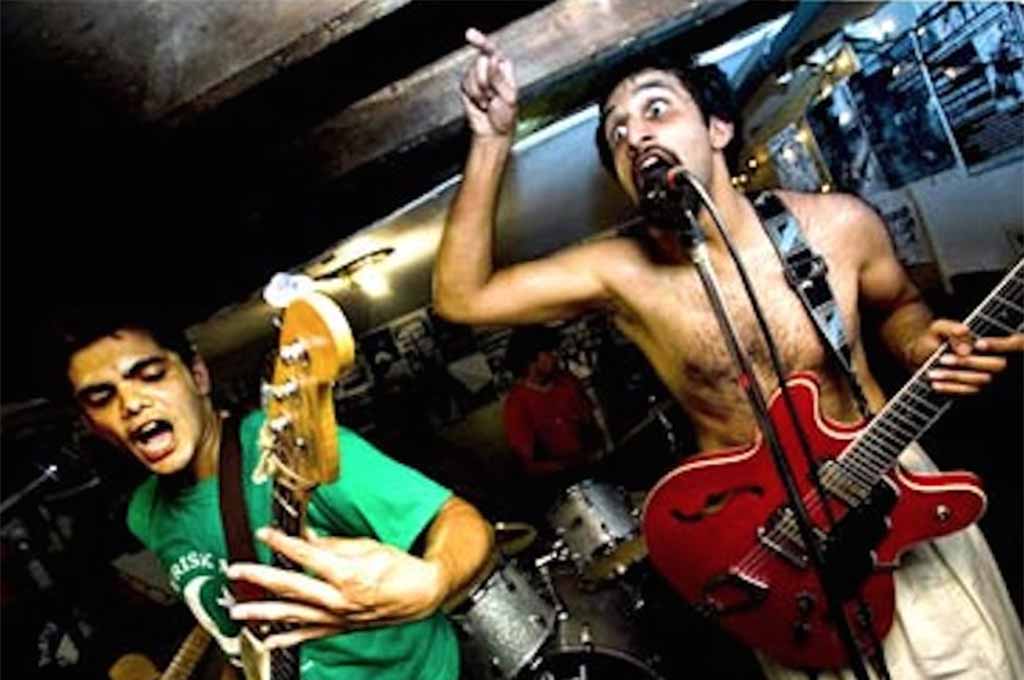
A drunk man reels backward in a burka as the random thump of a bass drum ricochets through the basement walls, sweating from the heat of writhing humanity. “This one is called Sharia Law in the USA!,” screams the shirtless, bearded man on the mike. “I am an Islamist! I am the Anti-Christ!!” It’s a scene from the 2009 Omar Majeed documentary Taqwacore: The Birth of Punk Islam, a film that didn’t make much of an impression the first time I watched it, but something pulled me back to the movie about young, thoroughly westernized Muslim men who found a sense of tribal belonging in a form of vocal and violent ...
Syrian refugees face a new life and old ghosts
Fear of the 'foreigner' all too familiar
Recent Remembrance Day tributes included a special acknowledgement of 120 Japanese-Canadians who fought for the Allies while branded "enemy aliens"
By Rod Mickleburgh
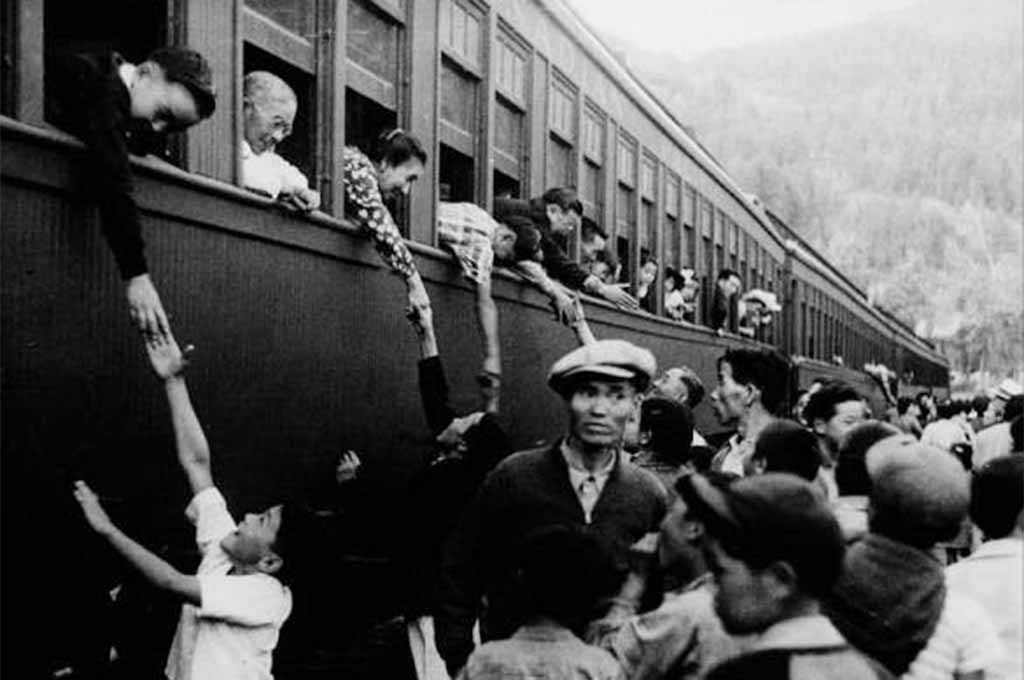
VANCOUVER, B.C. -- Last week, two days before the numbing atrocities of Paris, I went to the annual Remembrance Day ceremony at the Japanese-Canadian War Memorial in Stanley Park. It was a simple, almost homespun occasion, far removed from the military-like precision of the packed event at the main cenotaph downtown. A black-robed priest gave a purification prayer, clapped three times and performed a spiritual cleansing by waving about a long baton festooned with white paper streamers. He then talked six minutes past the proscribed 11 a.m. time for the two minutes of silence. No one seemed to mind. Beside me, a teen-aged girl wiped away tears, while an elderly Japanese-Canadian woman in an ordinary gray kimono stood with head bowed, eyes tightly closed. There was also a ...
Dating, illness and the survival instinct
The Sick Days: Part 17
I relished the feeling of safety... Perhaps that wasn’t enough to build a relationship on, but I was enveloped in the narcissism of illness and fearful another flare would strike at any time.
By Shelley Page
He’d cared for me before diagnosis, pulling me out of snow banks when I fell. Later, he rode the prednisone rollercoaster with me, as my spirits sunk then soared and I dealt with a swollen face and ripped skin, immunosuppression and insomnia. During the three years we’d worked in different cities, we saw each other every few months and vacationed together. He’d take my woeful phone calls, reminding me, “You can do it.” When he was posted to Toronto, we decided to move in together, without much thought. In marriages involving chronic illness, divorce rates are said to be more than 75 per cent. A study I found in the Journal of Oncology reported that spouses are actually lonelier than their ill partners and have lower levels of ...
Reporting behind bars
The Sick Days: Part 16
Journalism 201: Remember to bring your prednisone to prison
By Shelley Page
“Don’t forget to take their picture.” As I’d find out, not the best advice for a reporter sent to sneak into a third-world prison. I was heading to Trinidad to interview two imprisoned teenage drug mules who had attempted to smuggle three suitcases of marijuana back to Canada. Both 17, they’d been sentenced to eight years in an adult prison, filled with murderers on death row. The Star wanted the boys’ story. It hadn’t started out as my story. A new hire, a summer student heading to Columbia University’s journalism school in the fall, had been following the case and already called the prison warden asking to interview the boys. Although she had a hunger for foreign assignments and a passport filled with stamps, she was too green to go. Instead, I was assigned to show up at the prison, say I was a cousin, get their story and a photo: proof of life for ...
Dog by Dog points a paw at AKC
New doc exposes dogs as cash crop
The American Kennel Club, big agri-business and -- surprise! -- the Amish emerge as chief enemies of the humble and lovable canine in a new documentary aimed at changing how the consumer purchases a pet.
By Katherine Monk
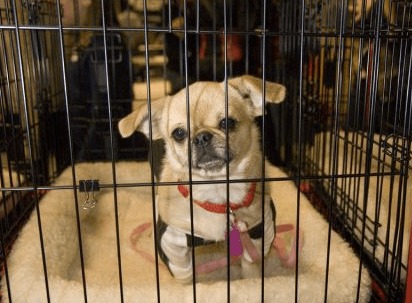
VANCOUVER – It’s enough to make you burn your VHS tape of Witness and boycott the Westminster Dog show, because according to a new documentary film, the Amish of Pennsylvania and the American Kennel Club resist efforts to curb puppy mills. “It’s about money. Dogs are a cash crop” says Christopher Grimes, the director behind Dog by Dog, a feature documentary airing on PBS later this year. “Papering dogs is a big part of the American Kennel Club’s budget… and for the Amish, they will do what is most profitable, and right now, they can get $3000 for one puppy. They have no other commodity that they are raising that can command the same price.” On the surface, there’s nothing inherently ...
Lest We Forget
First-hand history lessons
Every Remembrance Day, reporters are asked to speak with those who witnessed history from the trenches, today, Rod Mickleburgh looks back at his personal archive and the stories that still haunt his Boomer-peacenik psyche
By Rod Mickleburgh
There’s nothing quite like the experience of talking to a veteran. They have so much to tell us of a time we peacenik baby-boomers simply can’t comprehend. Death and carnage and mayhem all around them, seeing buddies blown up or shot before their eyes, killing enemy soldiers themselves, and yet they carry on with the fight. Not quite the ordeal of finding a downtown parking spot. Over the years, I’ve interviewed veterans from the Boer War (no, I wasn’t there…), World War One (the worst of all wars), and the Second World War against fascism. Never have I failed to come away in awe at their courage in signing up, the hell they experienced, and their vivid recollections of a distant past. My own ...